


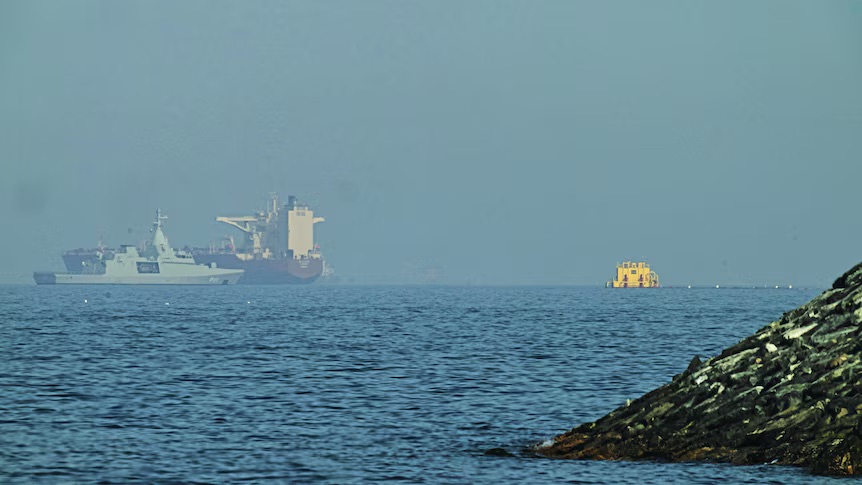
Tensions in the Middle East surged this week after former President Donald Trump stated that Iranian forces attacked a South Korean-linked commercial vessel in the strategically critical Strait of Hormuz—an incident that underscores the growing risks to global shipping and energy markets.
According to Trump and U.S. officials, the vessel was struck amid a broader pattern of Iranian aggression targeting international shipping lanes. Reports indicate the ship may have been hit by projectiles or a sea mine, with some accounts noting the vessel caught fire following the attack.
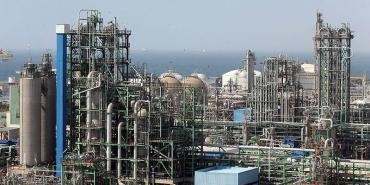
The incident comes as part of a wider escalation in the region, where Iran has reportedly launched drone and missile strikes against multiple ships and even energy infrastructure in nearby Gulf states. These actions have raised alarms among global markets, particularly given the Strait of Hormuz’s role as a chokepoint for a significant portion of the world’s oil supply.
Trump’s remarks coincide with the rollout of “Project Freedom,” a U.S.-led initiative aimed at guiding stranded commercial vessels safely through the waterway. The operation is being framed as a humanitarian effort to assist neutral nations whose ships have been trapped amid the conflict.
However, Iran has warned it will respond forcefully to any unauthorized foreign military presence in the region, escalating fears of a broader confrontation. The situation has already led to hundreds of ships being stranded and heightened volatility in global oil prices.
From an economic warfare perspective, the stakes are clear: control over the Strait of Hormuz is leverage over the global energy supply chain. Any sustained disruption threatens not only regional stability but also the financial security of nations dependent on reliable oil flows.
As the situation unfolds, the clash highlights a deeper reality—modern conflicts are increasingly fought not just with weapons, but through strategic pressure on trade routes, resources, and economic lifelines.