



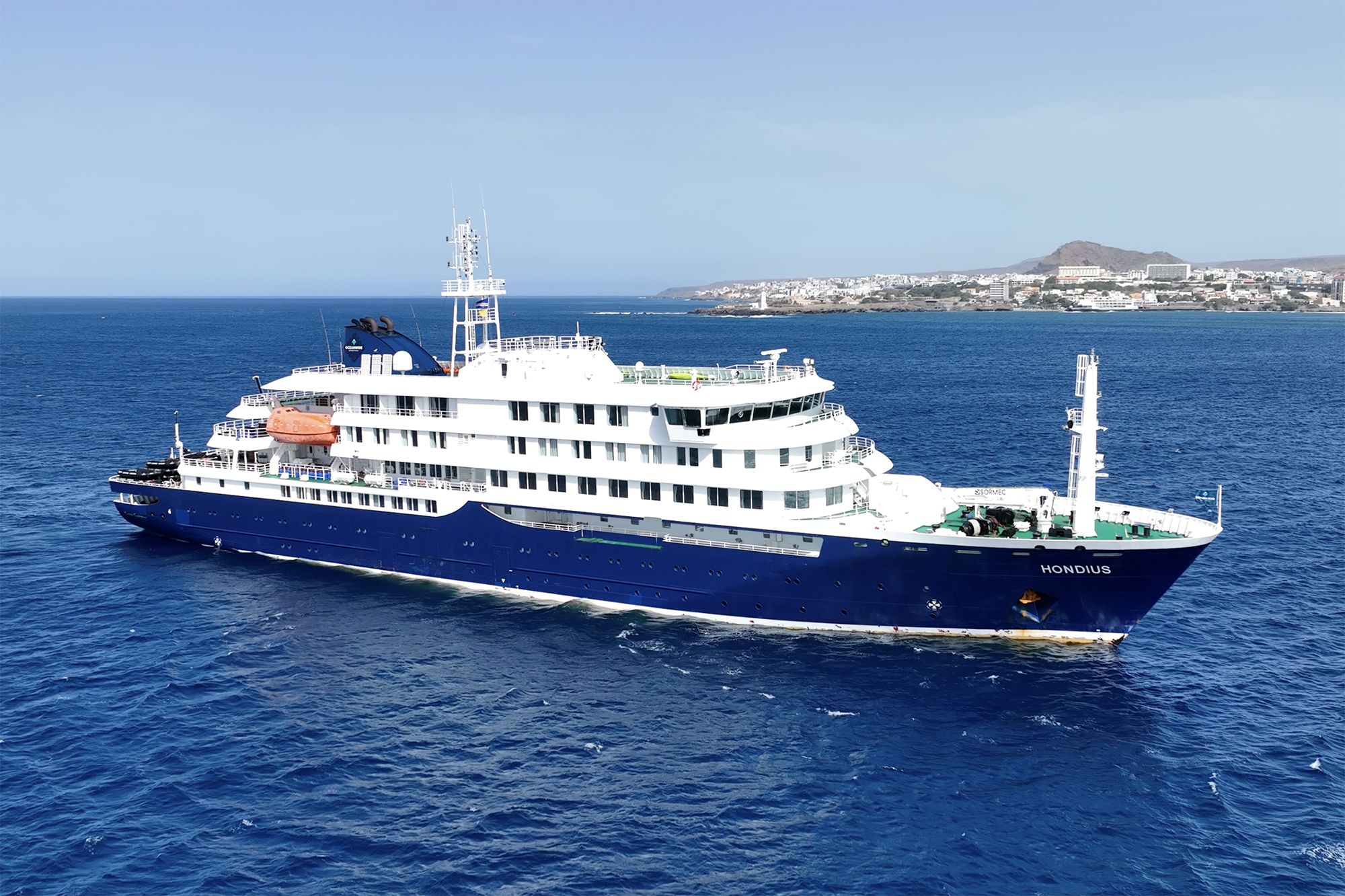
A massive international evacuation effort is underway after passengers aboard the Dutch-flagged cruise ship MV Hondiusbegan returning home from Spain’s Canary Islands following a deadly hantavirus outbreak that has already claimed three lives.
The expedition cruise ship, which departed from Argentina in April, became the center of a growing international health emergency after multiple passengers tested positive for the Andes strain of hantavirus — the only known hantavirus capable of limited person-to-person transmission. Health officials have stressed that the broader public risk remains low, but the outbreak has triggered strict quarantine and evacuation protocols across multiple countries.
Spanish authorities coordinated a tightly controlled evacuation operation off the coast of Tenerife, where passengers were transferred from the ship by smaller boats before boarding repatriation flights to their home nations. Those leaving the vessel were reportedly restricted to carrying only essential personal items as officials attempted to minimize contamination risks.
The World Health Organization has classified everyone aboard as “high-risk contacts,” although officials continue to emphasize that the outbreak is not comparable to the COVID-19 pandemic. Unlike highly transmissible respiratory viruses, hantavirus outbreaks are typically rare and difficult to spread widely.
Still, the incident has exposed how rapidly global transportation networks can turn localized health threats into international crises. Reports indicate passengers from numerous countries — including the United States, United Kingdom, France, Spain, and Canada — were onboard during the outbreak. Several nations have already imposed quarantine measures on returning travelers.
The ship itself is expected to continue to Rotterdam under a reduced crew before undergoing full disinfection procedures