


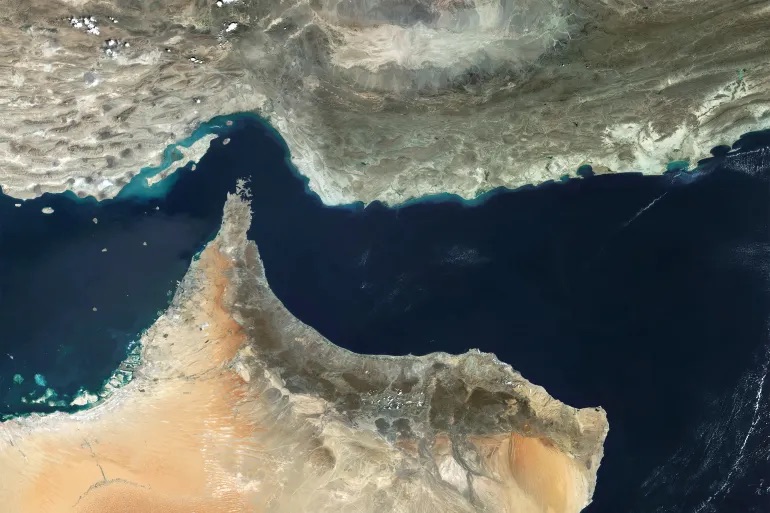
Middle East tensions surged after Iran moved to block or restrict tanker traffic through the Strait of Hormuz following Israeli airstrikes in Lebanon.
Iran reportedly warned that unauthorized vessels could be targeted, signaling a return to aggressive control over one of the world’s most vital energy routes. The move comes just hours after a fragile ceasefire had raised hopes of de-escalation.
Why It Matters
The Strait of Hormuz carries about 20% of global oil supply, making any disruption a direct threat to energy markets and the global economy. Even short-term restrictions can drive up oil prices, strain supply chains, and increase shipping costs.
Escalation Despite Ceasefire
Israel has continued striking Hezbollah targets in Lebanon, maintaining those operations are separate from any agreement involving Iran. That gap is now fueling renewed instability across the region.
Bottom Line
Iran’s actions highlight a familiar strategy—using control of critical trade routes as leverage. The result: rising geopolitical risk, economic uncertainty, and growing pressure on global energy markets.