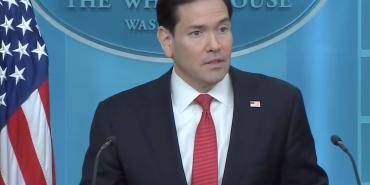


Secretary of State Marco Rubio says the Trump administration is achieving its objectives against Iran through economic warfare, as sanctions and a naval blockade continue to intensify pressure on Tehran.
Secretary of State Marco Rubio says the United States has no immediate need to launch additional large-scale military operations against Iran, arguing that the Trump administration's economic pressure campaign is already delivering significant results.
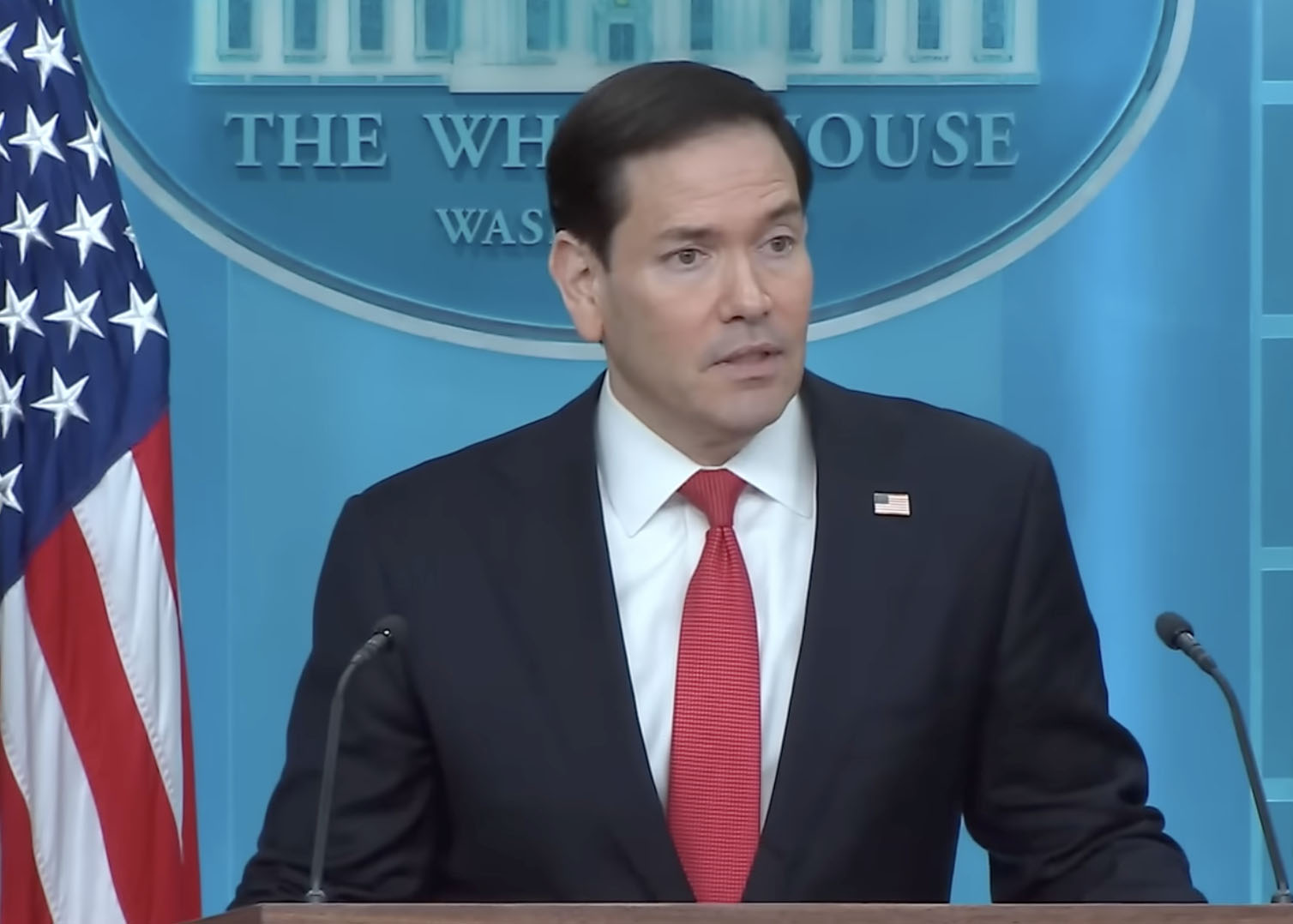
Speaking Tuesday following two days of meetings with G7 foreign ministers in Paris, Rubio said he informed America's allies that the administration is achieving its objectives through economic pressure rather than additional military strikes.
“The President has concluded that for the time being there is no need for major combat operations because we’re achieving the same objective by economic means,” Rubio told reporters.
The strategy centers on an expanding economic offensive against Tehran, including a U.S. naval blockade, financial sanctions, and efforts to dismantle the networks Iran uses to evade international restrictions.
Rubio emphasized that the economic consequences for Iran are growing increasingly severe.
“The economic pain that is being inflicted on Iran right now and on that regime is extraordinary and it compounds. It’s growing every day,” he said.
U.S. Targets Iran's Oil Revenue
A major component of the administration's strategy is restricting Iran's ability to sell oil internationally, cutting off a critical source of revenue for the Iranian government.
Rubio explained that Iran is rapidly exhausting the remaining oil shipments that departed its ports during a brief ceasefire earlier in the conflict. Once those shipments are depleted, Tehran could lose nearly all of its remaining oil revenue.
The Treasury Department is also working alongside U.S. intelligence agencies to identify and dismantle the financial networks Iran uses to circumvent sanctions.
The administration's broader objective is to limit the resources available to Tehran to rebuild its military capabilities, advance its nuclear ambitions, and finance terrorist organizations and regional proxies.
Military Options Remain on the Table
Although the administration is prioritizing economic pressure, Rubio made clear that the United States has not abandoned its military options.
President Donald Trump previously indicated that additional strikes against Iran were unlikely in the immediate future, following discussions with regional leaders, including Qatar's prime minister.
However, Trump has maintained that American forces remain prepared to respond if circumstances require military action.
Rubio also rejected the suggestion that avoiding additional strikes represents a stalemate.
Instead, he argued that the economic campaign will continue intensifying, placing even greater pressure on the Iranian regime.
Diplomacy Remains Uncertain
Alongside the economic offensive, diplomatic efforts to reach an agreement with Tehran remain ongoing.
Qatar has been involved in mediation efforts, with its prime minister recently meeting with Trump and Vice President JD Vance to discuss the conflict and potential paths toward an agreement.
However, Rubio questioned Iran's seriousness in negotiations, pointing to demands that Washington considers unacceptable.
Iran has reportedly sought sanctions relief, the lifting of the naval blockade, the release of frozen assets, and compensation for damages sustained during the conflict.
Rubio dismissed those demands, arguing that Iran should be responsible for paying reparations rather than receiving them.
For now, the administration appears committed to maintaining its economic pressure campaign while keeping military options available.
The unfolding situation highlights how economic warfare can serve as a powerful instrument of national security, allowing the United States to target an adversary's financial resources and strategic capabilities without immediately resorting to another round of large-scale military operations.