

China is rapidly expanding its military and technological capabilities, but beneath the surface, the country faces growing economic and demographic challenges. As tensions between global powers increase, one question remains: Can China sustain its growing ambitions while its internal weaknesses continue to mount?
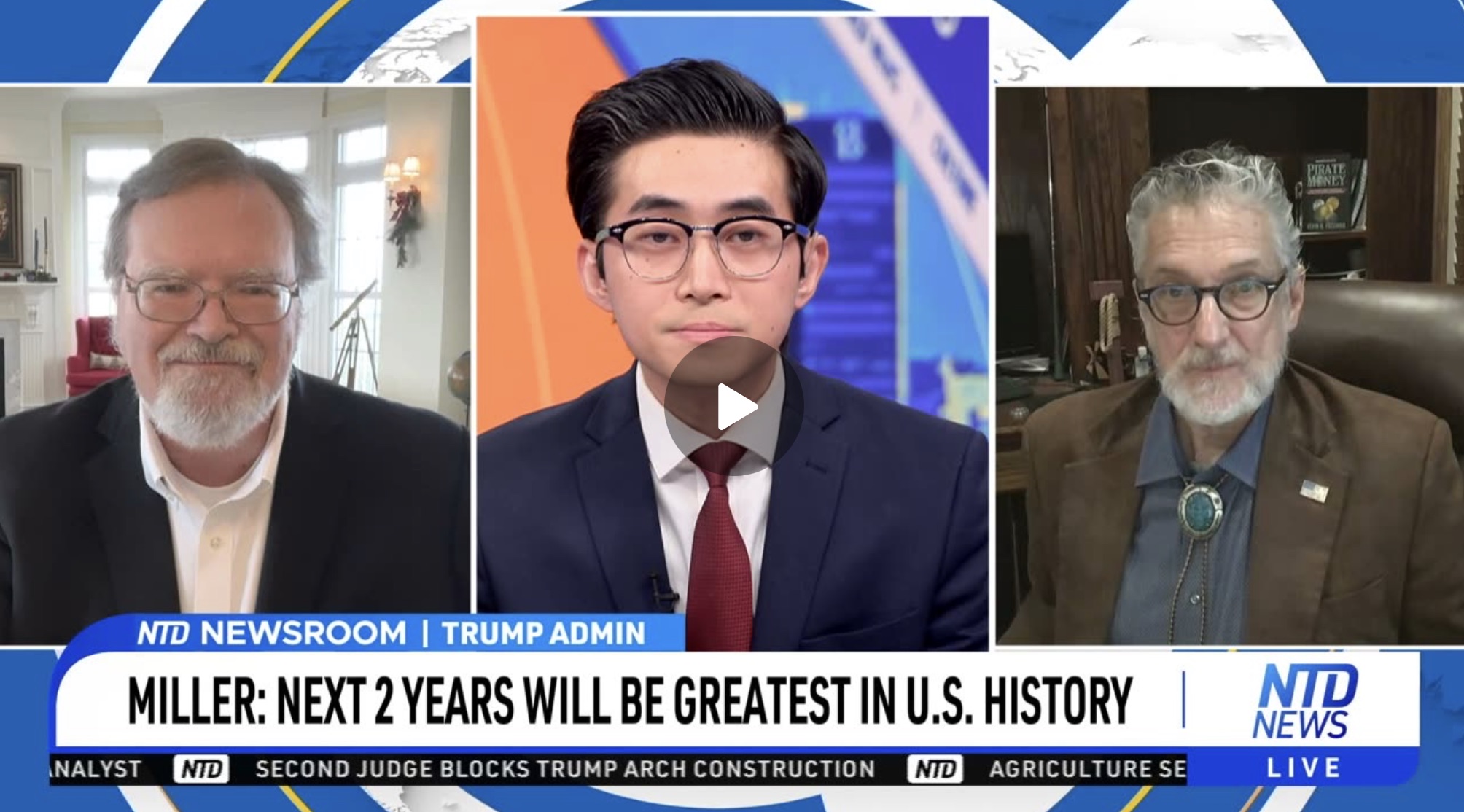
During a discussion with geopolitical analyst Rod Martin, founder and CEO of Martin Capital and author of Trump's New World Reorder, Economic War Room host Kevin Freeman examined China's growing military power, economic vulnerabilities, and the implications for America's national security.
China's Growing Military Power
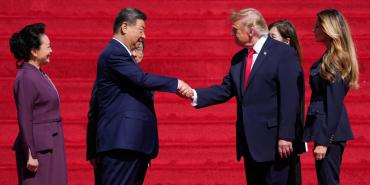
China's military expansion, particularly its nuclear capabilities, presents a serious challenge to the United States. Martin highlighted China's rapid growth in strategic nuclear weapons and emphasized the importance of bringing China, Russia, and the United States into meaningful arms control discussions.
However, military strength does not necessarily mean a strong nation.
Freeman pointed out that while China has advanced technologically and militarily, its society is becoming weaker. A shrinking population, struggling real estate market, and growing number of unoccupied developments reveal serious problems beneath the country's economic image.
A Weakening Economy Creates New Risks
Martin warned that China's centralized economic system and demographic decline could create significant instability. As property values fall and household wealth comes under pressure, the Chinese Communist Party could struggle to maintain its promise of economic prosperity in exchange for political control.
Both Freeman and Martin raised concerns that China's internal struggles could make its leadership more aggressive abroad. As Freeman noted, the question is whether China will achieve its strategic objectives before its internal weaknesses catch up with it.
Maintaining strong alliances, particularly through the United States' partnership with Japan, Australia, and India under the Quad, will be critical to countering China's influence.
The Next Battleground: Artificial Intelligence
The discussion also examined China's rapid advancements in artificial intelligence and the national security risks associated with the technology.
Freeman warned that AI could be used for cyberattacks, intellectual property theft, and attacks against critical American infrastructure. Both guests emphasized the importance of maintaining America's technological advantage while developing safeguards that do not undermine innovation and competition.
They also discussed the importance of building data centers and strengthening domestic infrastructure to ensure the United States remains competitive.
America's Economic Strength Matters
Freeman closed by emphasizing that America's national security depends on more than military capabilities. A strong economy and sound financial foundation are equally important.
He highlighted the importance of honest money, including gold and silver, and free-market policies that encourage investment, competition, and economic growth.
The Bottom Line: China may be growing stronger militarily and technologically, but its economic and demographic weaknesses create an increasingly unpredictable future. For America, maintaining strong alliances, protecting critical industries, and strengthening its economic foundation will be essential to staying ahead.
Watch the Full Discussion:
Hear Kevin Freeman and Rod Martin discuss China's growing military power, economic vulnerabilities, artificial intelligence, and what it means for America's future.
Watch China's Dangerous Paradox: Stronger Military, Weaker Nation on Rumble