


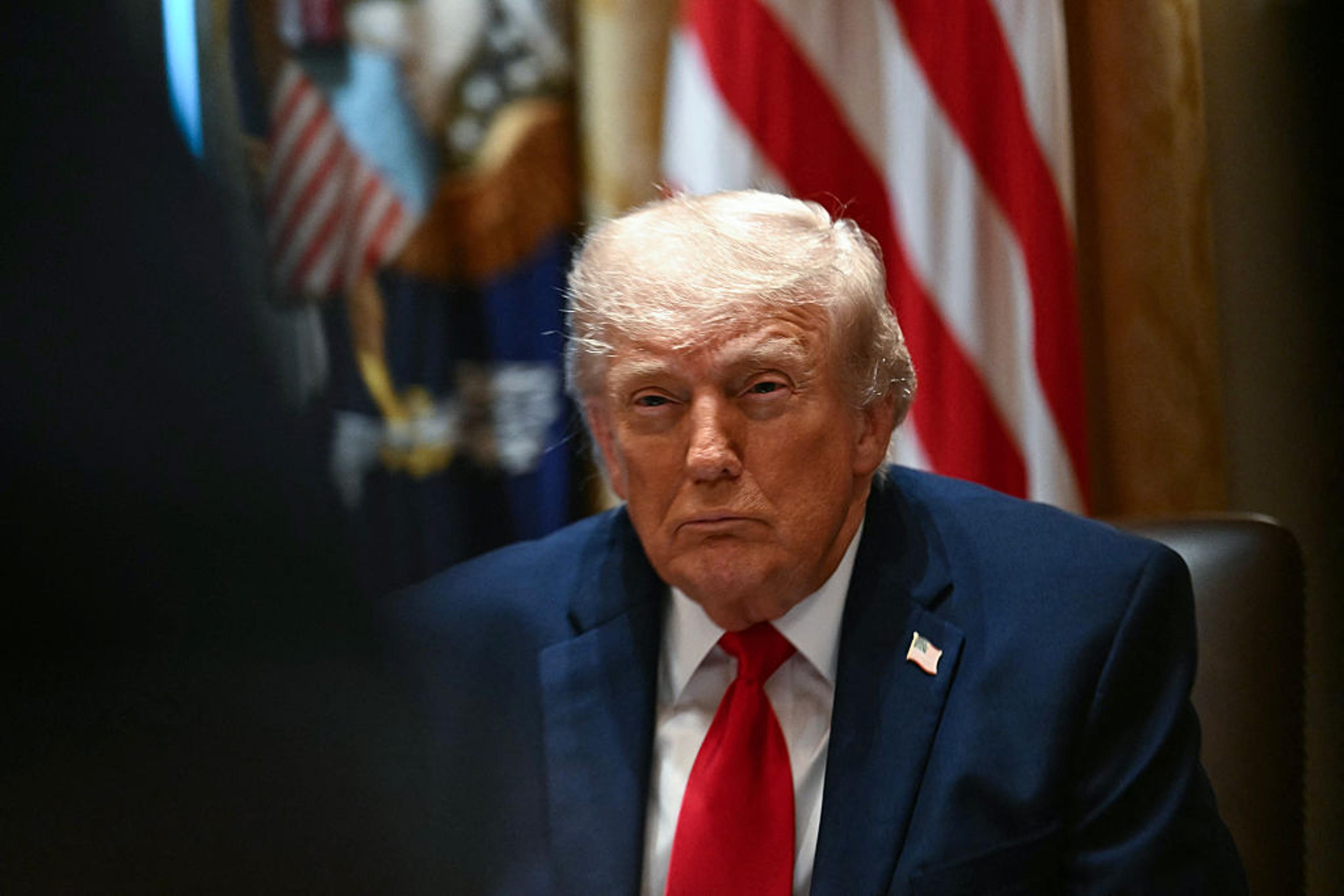
President Donald Trump said Monday that a potential agreement with Iran could be finalized "over the next week" after what he described as a temporary diplomatic setback caused by escalating conflict between Israel and Hezbollah in Lebanon.
Speaking in an interview with ABC News, Trump said negotiations with Tehran remain on track despite Iran's brief suspension of indirect communications with the United States. According to the president, the disruption stemmed from Iranian concerns that Israel's military operations against Hezbollah could undermine ongoing peace discussions.
"There was a little glitch today, but I turned that one around very quickly," Trump said, referring to rising tensions between Israel and the Iranian-backed terrorist organization.
The president claimed he personally intervened to prevent the situation from spiraling further, communicating through intermediaries with Hezbollah while also speaking directly with Israeli Prime Minister Benjamin Netanyahu. Trump said both sides agreed to halt attacks, easing immediate concerns that the regional conflict could derail broader U.S.-Iran negotiations.
The development came after reports that Tehran had paused indirect exchanges with Washington following Israeli threats to expand operations around Beirut. Iranian officials have argued that any ceasefire arrangement must also address Israeli military actions against Hezbollah, a key Iranian ally in the region.
While Trump expressed optimism about securing an agreement soon, questions remain about the durability of the Israel-Hezbollah understanding. Reports emerged shortly after the announcement indicating continued rocket and drone attacks from Hezbollah positions, highlighting the fragile nature of the ceasefire efforts.
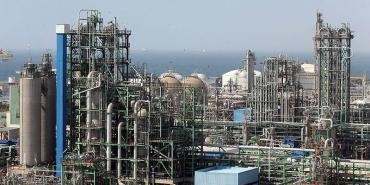
From an economic perspective, markets are closely watching the negotiations. Ongoing tensions involving Iran and the Strait of Hormuz—a critical artery for global energy supplies—have contributed to heightened volatility in oil markets. Any successful agreement that stabilizes the region and improves shipping access could help ease pressure on global energy prices and supply chains.
For now, the administration appears focused on preserving diplomatic momentum. If a deal is reached in the coming days, it would represent a significant geopolitical development with implications extending well beyond the Middle East, affecting energy markets, international trade, and broader global economic stability.
Why It Matters: The outcome of U.S.-Iran negotiations could influence oil prices, inflationary pressures, shipping routes, and broader economic confidence. Investors and policymakers alike will be watching closely as talks continue.