


The United States launched a fresh wave of military strikes against Iranian targets Tuesday, marking another significant escalation in the ongoing conflict and signaling that the battle over the Strait of Hormuz remains far from over. President Donald Trump also announced plans to reimpose a naval blockade on Iranian ports, increasing pressure on Tehran while raising new concerns about global energy markets and international shipping.
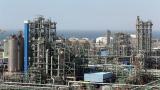
According to reports, U.S. forces targeted Iranian military infrastructure, including missile and drone sites, in an operation that lasted several hours. The strikes were described as part of a broader effort to reduce Iran's ability to threaten commercial shipping and allied nations throughout the region.
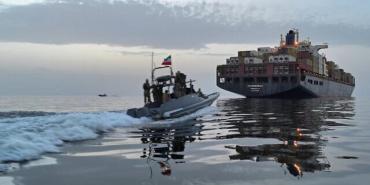
Iran responded with additional attacks across the Middle East, continuing a dangerous cycle of retaliation that has already disrupted maritime traffic through the Strait of Hormuz—one of the world's most critical energy chokepoints. Roughly one-fifth of global oil shipments typically pass through the narrow waterway, making any prolonged instability a major concern for financial markets, supply chains, and inflation.
For investors and consumers alike, the economic implications could be significant. Oil prices climbed sharply following news of the latest strikes as traders priced in the growing risk of prolonged supply disruptions. Higher energy prices often ripple through the broader economy, increasing transportation costs, manufacturing expenses, and ultimately the prices consumers pay for everyday goods.
The renewed naval blockade also signals that Washington intends to maintain maximum pressure on Iran's economy while seeking to deter further attacks on international shipping. Whether that strategy succeeds—or leads to additional escalation—will likely shape energy markets and geopolitical risk in the weeks ahead.
As tensions continue to rise, Economic War Room will monitor developments closely, particularly their impact on inflation, energy prices, global trade, and America's economic security.