

Global trade is becoming one of the biggest battlefields in economic warfare.
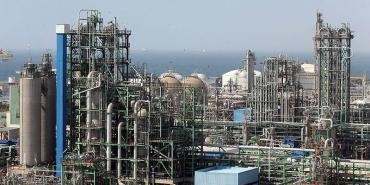
Reports indicate that the Chinese Communist Party is pressuring major international shipping companies as conflict involving Iran disrupts critical shipping lanes in the Persian Gulf. When instability hits chokepoints like the Strait of Hormuz—where a large share of the world’s oil passes—the ripple effects can shake the entire global economy.
For Beijing, the stakes are enormous. China’s economy depends on imported energy and uninterrupted trade. Any disruption threatens the supply chains that power its manufacturing dominance.
Instead of letting markets respond naturally to wartime risk, China appears to be leaning on the global shipping industry to protect its economic interests. This reflects a broader strategy where the Chinese Communist Party blurs the line between government and business, using commercial pressure to advance geopolitical goals.
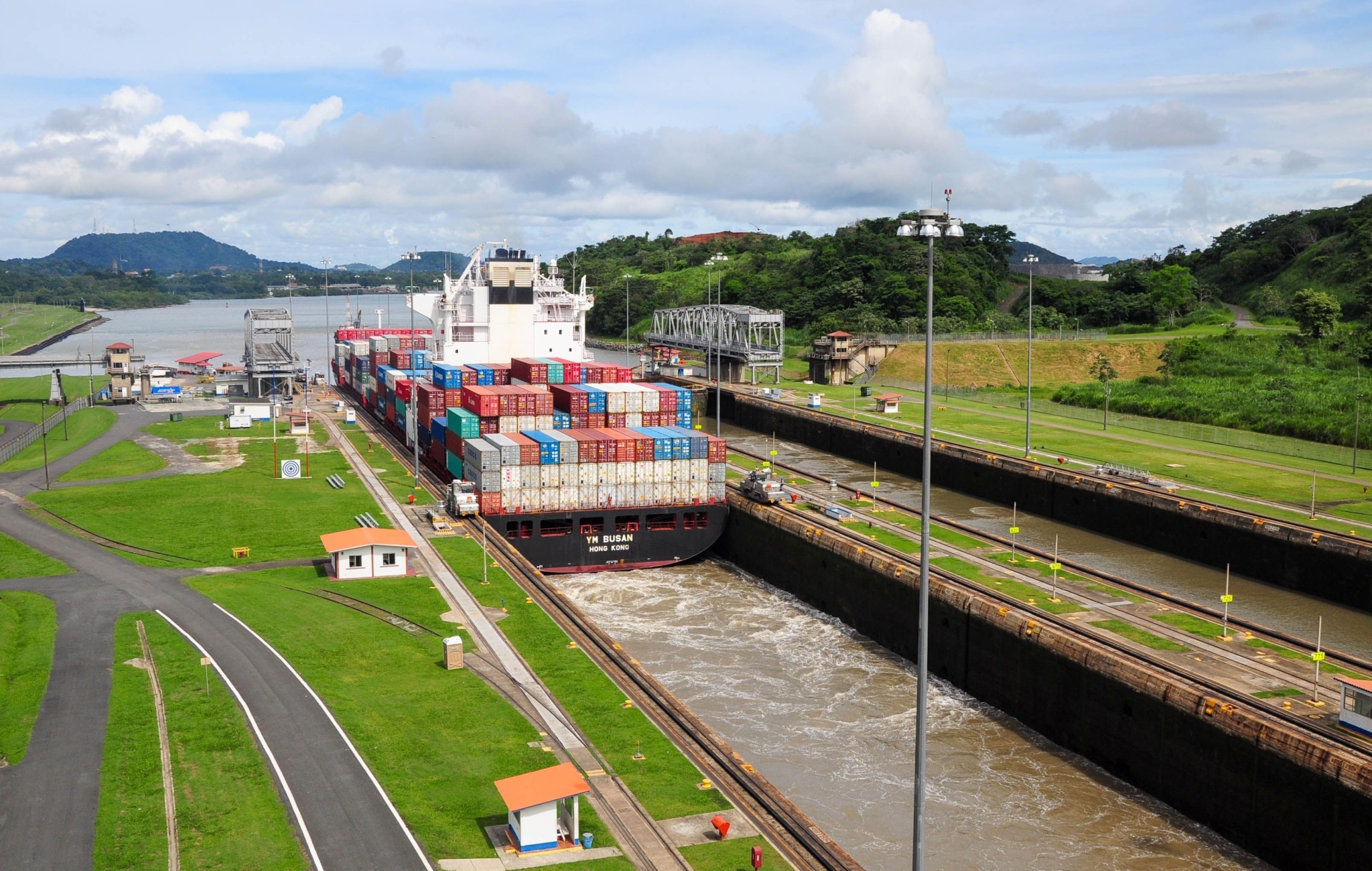
At the same time, another strategic trade artery is under pressure: the Panama Canal.
Legal battles in Panama have challenged a Hong Kong–linked company’s long-standing control of key ports at both entrances to the canal—ports responsible for a significant share of canal traffic. Beijing’s reaction underscores how seriously it views control over global infrastructure.
The message is clear: trade routes are no longer just about commerce.
From the Persian Gulf to the Panama Canal, the world’s most important economic chokepoints are becoming strategic assets in a growing global economic war.
This is exactly the type of vulnerability that economic warfare experts have warned about for years. When adversaries gain influence over shipping lanes, ports, and financial systems, they gain leverage over the global economy itself.