


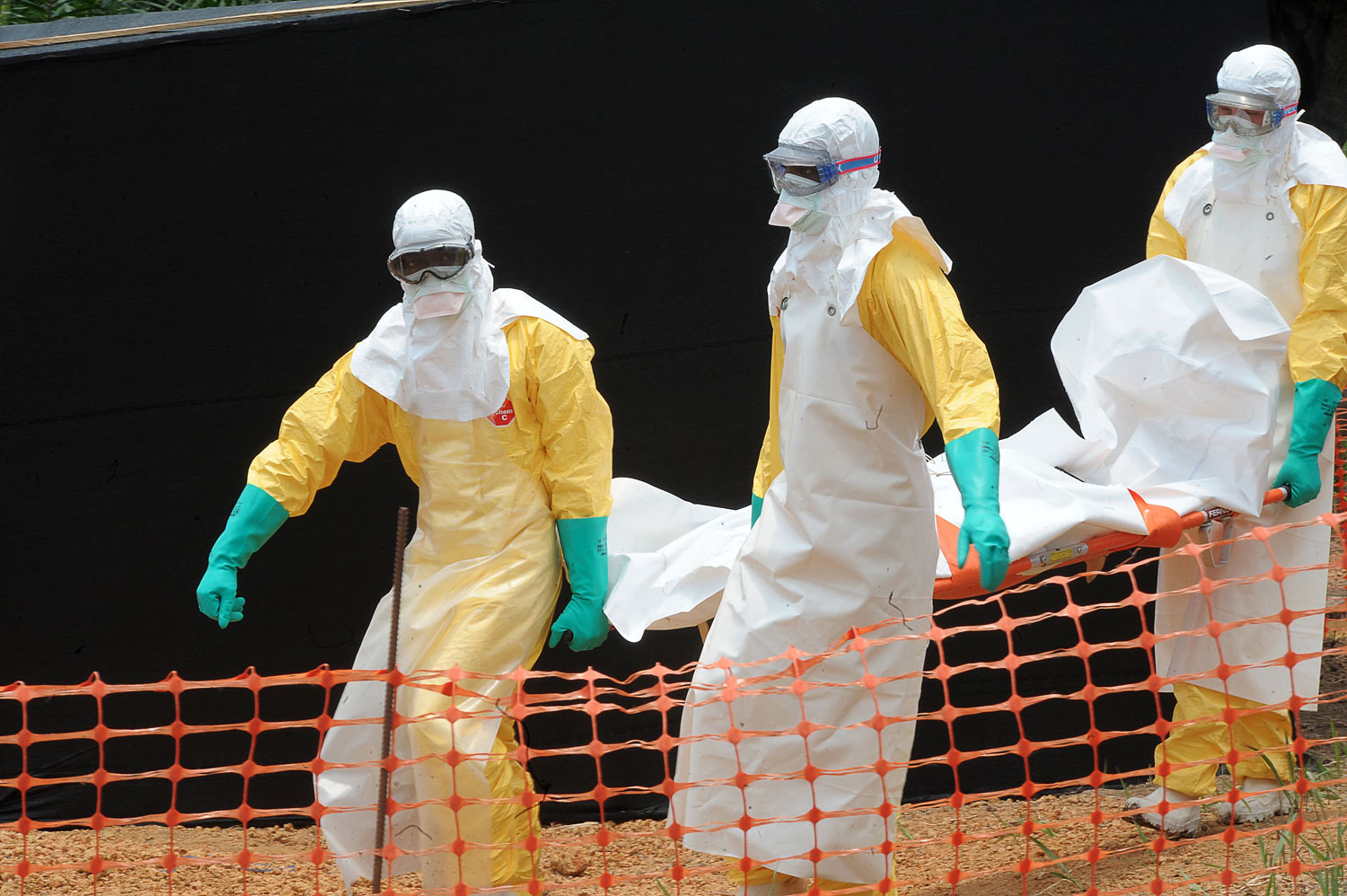
While much of the world’s attention remains fixed on wars, elections, and economic turmoil, another threat is quietly gaining ground. Doctors Without Borders is warning that the Ebola outbreak in the Democratic Republic of Congo is spreading faster than authorities can contain it—a sobering reminder that biological crises still have the power to disrupt nations and economies alike.
One month after the outbreak was declared, humanitarian group Médecins Sans Frontières (MSF) says serious gaps in surveillance, diagnosis, contact tracing, and community engagement are allowing the virus to gain momentum. According to MSF emergency coordinator Kate White, “the Ebola disease outbreak is outpacing the response effort.”
Official figures show more than 780 confirmed cases and at least 181 deaths, though aid organizations caution that the true numbers are likely much higher. Health workers face enormous challenges in eastern Congo, where conflict, poor infrastructure, and mistrust of authorities complicate efforts to identify and isolate cases. Many patients are arriving at treatment centers only after the disease has reached advanced stages.
The situation has become serious enough that the Africa Centres for Disease Control and Prevention warned this week that the outbreak could become the worst Ebola epidemic the continent has ever experienced if contact tracing and containment efforts are not strengthened. Tens of thousands of potentially exposed individuals remain unaccounted for.
For strategic thinkers, this outbreak serves as another reminder that national security extends far beyond military threats. Biological risks can destabilize economies, strain healthcare systems, interrupt supply chains, and expose weaknesses in global preparedness.