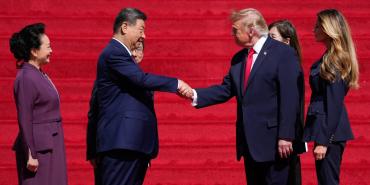



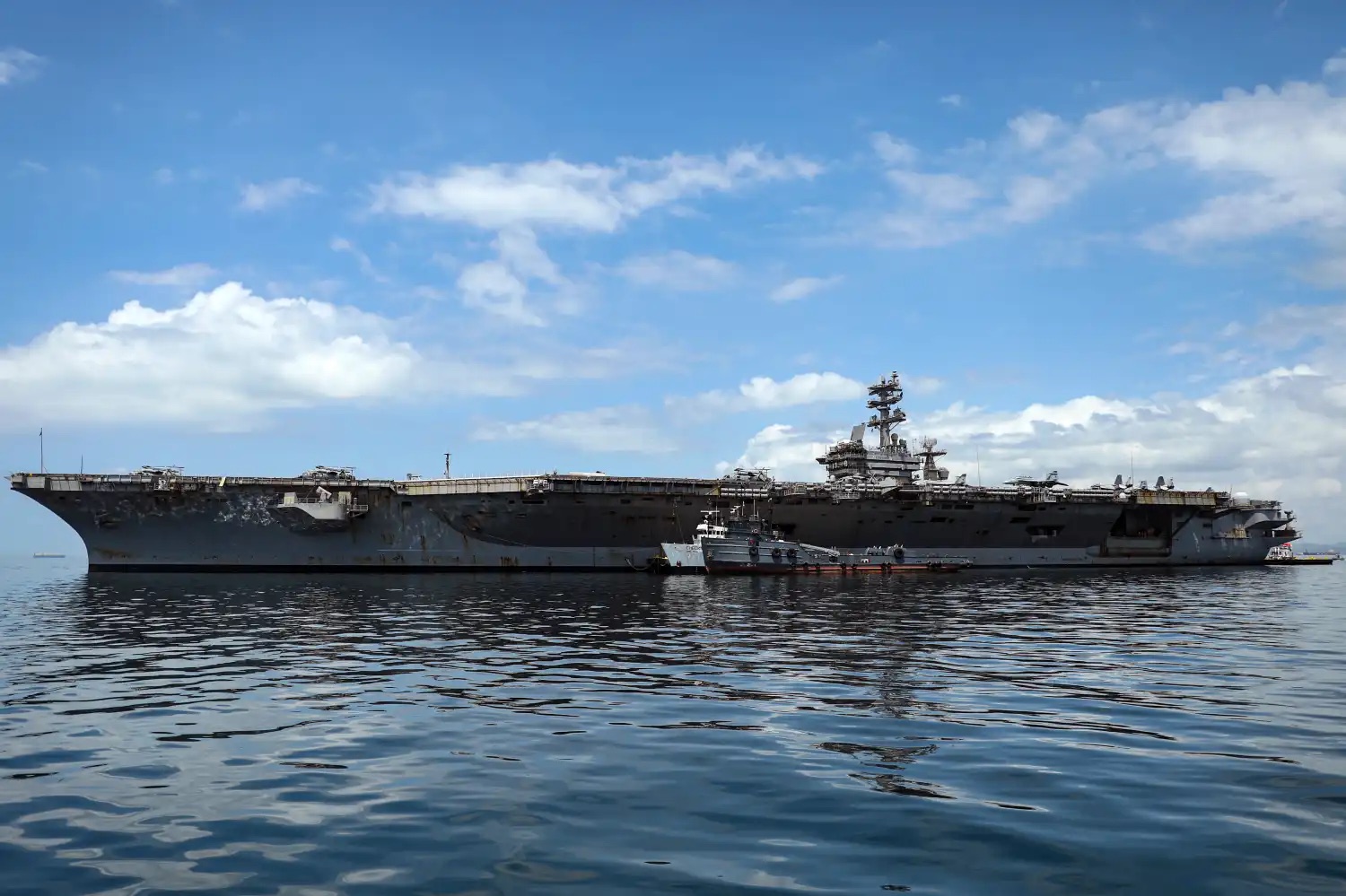
President Donald Trump announced Sunday that a deal with Iran has been completed, ordering the U.S. naval blockade lifted and declaring the Strait of Hormuz open once again. If the agreement holds, it could represent a significant victory not just for diplomacy, but for global energy security and economic stability.
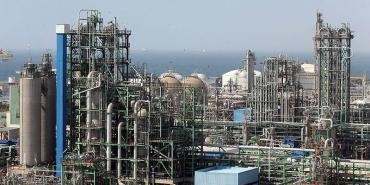
The Strait of Hormuz is one of the world’s most critical choke points. Roughly 20 percent of global oil supplies pass through the narrow waterway. Any disruption sends shockwaves through energy markets, raises fuel prices, and increases costs for American families and businesses. In the world of economic warfare, control of energy equals leverage.
Markets reacted swiftly to the news. Oil prices fell as investors priced in the prospect of restored shipping and reduced geopolitical risk. That matters because energy costs ripple through every sector of the economy—from transportation and manufacturing to food and household budgets.
According to reports, the agreement includes a ceasefire and a 60-day window for additional negotiations surrounding Iran’s nuclear program and other outstanding issues. Whether those talks produce a lasting peace remains to be seen.
But the bigger lesson is one Economic War Room has highlighted for years: America cannot afford to ignore the strategic importance of energy. Energy security is national security. Economic strength depends on secure supply chains and the free flow of commerce. When adversaries can threaten critical shipping lanes, they hold the power to inflict economic pain far beyond the battlefield.
Reopening the Strait of Hormuz may ease immediate concerns, but the underlying challenge remains. The United States and its allies must continue building resilient energy systems, strengthening domestic production, and ensuring that hostile actors cannot weaponize vital trade routes.
Peace is always preferable to conflict. But lasting prosperity requires more than temporary agreements—it demands strategic strength. In an age of economic warfare, America must remain vigilant and never surrender its energy advantage.