

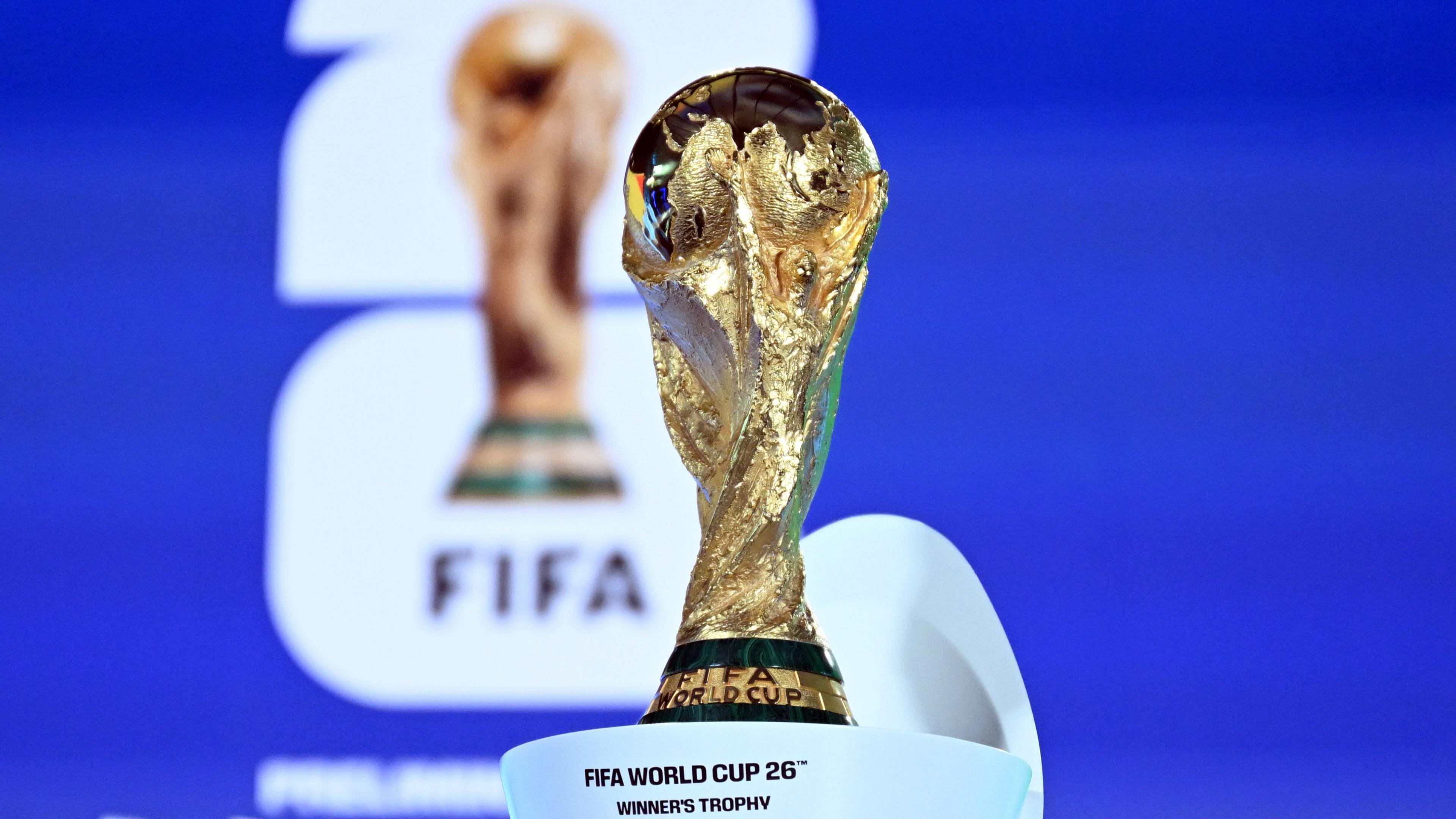
Sports are supposed to bring the world together. But the reality is that geopolitical threats don’t disappear just because the world is gathering for a soccer tournament.
As the United States hosts the 2026 FIFA World Cup, questions are emerging over travel restrictions affecting individuals from Iran and Somalia. According to reporting highlighted by Peter Schweizer, U.S. immigration officials denied entry to Somali referee Omar Abdulkadir Artan amid concerns over possible ties to extremist networks. Members of Iran’s support staff have also reportedly faced entry issues due to concerns surrounding the regime’s long history of sponsoring terrorism.
Predictably, critics complain that immigration enforcement is casting a shadow over the festivities. But national security isn't suspended because a sporting event is taking place.
Iran remains the world's leading state sponsor of terrorism. Al-Shabaab, the Somali terrorist organization affiliated with al-Qaeda, has a long history of violence and international recruitment. When American authorities evaluate visa applicants, they aren't simply processing paperwork—they're protecting the homeland.
This highlights a larger truth we discuss frequently at Economic War Room: economic warfare and national security are interconnected. Major international events create opportunities for commerce, tourism, and diplomacy—but they also create vulnerabilities that hostile actors can exploit.
America has welcomed millions of visitors for the World Cup, and the overwhelming majority are coming to celebrate the beautiful game. But vigilance is not xenophobia. It is common sense.
Our enemies don't take time off because FIFA is in town.
Security isn't anti-sports. Security is what makes events like the World Cup possible in the first place.
And in an age of economic warfare, protecting America must always come first.