


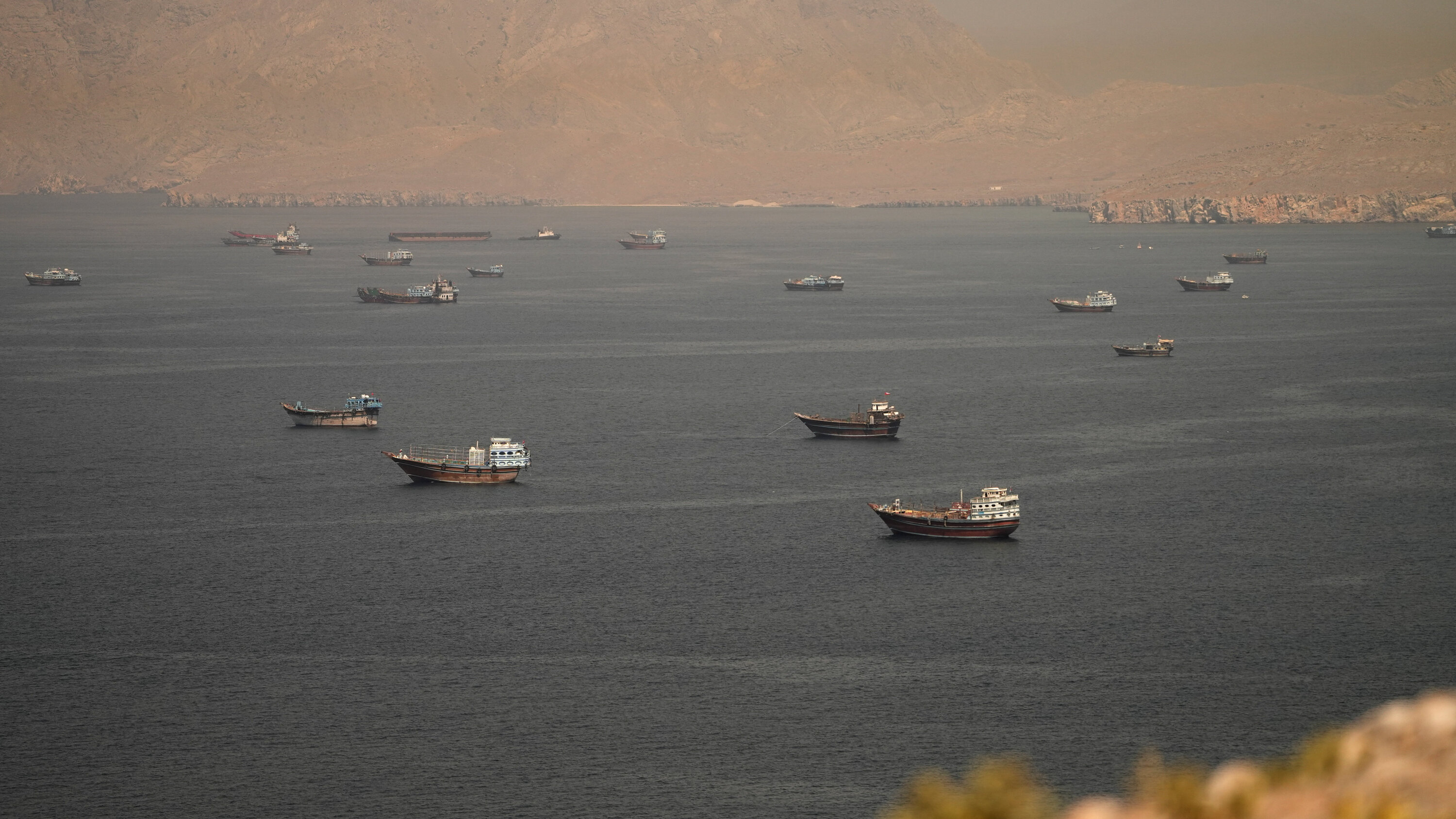
After months of uncertainty and repeated threats to one of the world’s most critical energy chokepoints, ship trackers are reporting encouraging signs from the Strait of Hormuz: maritime traffic is beginning to recover.
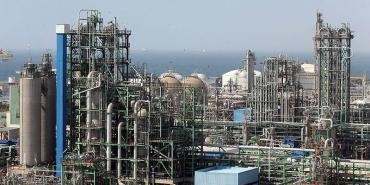
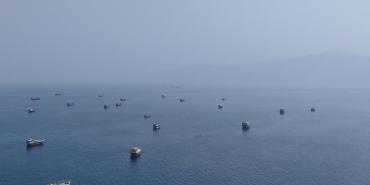
According to shipping intelligence firm Kpler, 172 vessels have transited the strategic waterway since last week, with additional tankers and LNG carriers resuming movement after remaining sidelined amid tensions in the Persian Gulf. The increase comes despite months of Iranian threats and persistent concerns over attacks on commercial shipping.
For the global economy, this matters.
Nearly one-fifth of the world’s oil and a substantial portion of liquefied natural gas move through the narrow passage between Iran and Oman. Any disruption sends shockwaves through energy markets, inflation, and supply chains. The Strait of Hormuz is not just a regional issue—it is a pressure point for the entire world economy.
The recent uptick in vessel traffic suggests that markets are cautiously regaining confidence. Several previously stalled supertankers have resumed voyages, and Qatar-linked LNG carriers have begun returning to normal routes. While traffic remains below pre-conflict levels, the trend points toward stabilization rather than escalation.
That’s welcome news, but risks remain.
Mine threats, conflicting navigation instructions, and lingering security concerns continue to complicate operations. Maritime authorities are coordinating safe passage for hundreds of ships that had been stranded, and experts caution that it could take months before trade flows fully normalize.
Economic warriors should pay close attention.
Energy security is national security. Every barrel of oil that safely reaches market helps ease inflationary pressures and strengthens economic stability. But the Hormuz crisis also serves as a reminder that America and its allies remain vulnerable to geopolitical disruptions that can affect everything from gasoline prices to food costs.
The lesson is clear: supply chains matter, strategic chokepoints matter, and dependence on unstable regions carries real economic consequences.
For now, the ships are moving again. Markets are breathing a little easier. But the world’s energy lifeline remains one crisis away from renewed turmoil.